

JILICC - Official - Best Online Casino in the Philippines | Jueteng: Understanding the Cultural Phenomenon and Its Impact
Jueteng: A Cultural Phenomenon
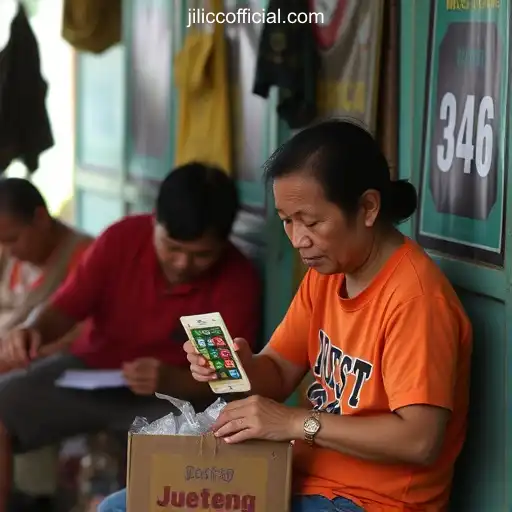
Jueteng, often described as an illegal numbers game, has deeply entrenched itself as a cultural phenomenon in the Philippines. Despite its illicit status, this grassroots lottery-like game has captivated communities for decades. Originating during the Spanish colonial period, Jueteng has evolved into a complex social, economic, and political issue that permeates Filipino life.
History and Evolution of Jueteng
The roots of Jueteng trace back to the Spanish colonial era when locals adapted foreign gaming practices into a distinctly Filipino tradition. Over the years, it has morphed from a simple game into a widespread social activity prevalent across various regions. Unlike mainstream lotteries, Jueteng operates secretly, yet its appeal remains robust due to personal connections and local networking within neighborhoods.
How Jueteng Works
At the core of Jueteng is a simple betting system where participants select a combination of numbers, usually ranging from 1 to 37. The game relies heavily on collectors or "cobradores," who gather bets from willing players and forward them to coordinators, often called "cabos." Winning numbers are then drawn, typically through a local process that lacks the transparency of regulated lotteries.
Social Dynamics and Jueteng
The integration of Jueteng into the fabric of daily life offers insight into its deep-rooted appeal. It's not just the promise of a financial windfall that lures people but a sense of community and shared anticipation. Jueteng thrives on trust, creating micro-communities bound by the uncertainty and hope encapsulated in lottery numbers.
Economics of Jueteng
Jueteng's economic impact is layered and multifaceted, serving as both a source of livelihood and a burden. For some, it provides crucial daily income, particularly for cobradors who earn commissions based on the volume of bets collected. On a broader scale, Jueteng finances also funnel into local economies through informal investments and consumption. However, it also perpetuates cycles of poverty by enticing individuals to gamble away their meager earnings.
Jueteng and the Law
Despite repeated crackdowns, Jueteng persists due to a combination of corruption, inadequate enforcement, and social acceptance. Attempts to eradicate Jueteng have often been thwarted by local sentiments and influences from within political spheres, where Jueteng operators hold sway. The clear legal stance against it contrasts with its clandestine operations, resulting in an ongoing cat-and-mouse game with authorities.
Potential Solutions and Alternatives
Efforts to curb Jueteng involve offering regulated alternatives, such as government-sanctioned lotteries and legal gaming platforms. The rise of online casinos like JILICC - Official - Best Online Casino in the Philippines presents both challenges and opportunities. These platforms can lure traditional Jueteng players by offering safer and more transparent gaming experiences, aligning with legal frameworks and potentially phasing out illegal numbers games.
While addressing Jueteng's prevalence is no easy task, understanding its socio-cultural footing gives a clearer path toward sustainable solutions. Harnessing the power of technology and regulated gaming, along with community education and empowerment, could redefine the landscape of numbers betting in the Philippines.
Conclusion
Jueteng remains an emblem of the complex relationship between Filipino culture and informal economies. As the country confronts modern challenges while respecting historical traditions, the future of Jueteng may lie at the crossroads of cultural identity and the push for societal progress. Thus, with evolving strategies and social shifts, Jueteng might eventually transform from an illegal pastime into a regulated activity, promising a more predictable and secure betting landscape for Philippine enthusiasts.


Google Sitemap